

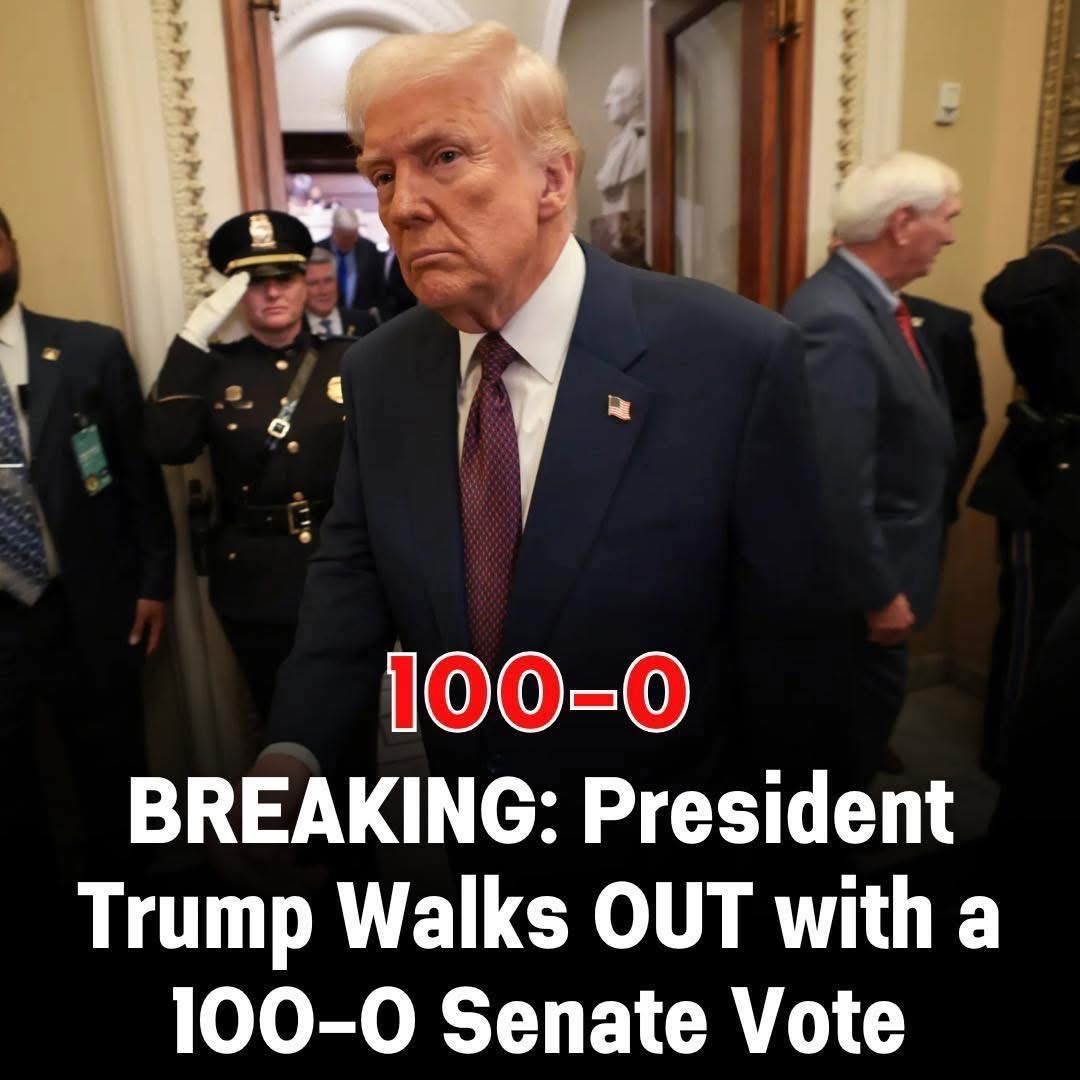
On July 4, 2025, President Donald Trump signed the One Big Beautiful Bill Act into law, a sweeping tax overhaul that promises to reshape federal tax policy and spark debate over who truly benefits. Supporters call it long-overdue relief for working Americans, while critics warn it could balloon deficits for decades.
At its core, the law permanently extends previously scheduled tax cuts, locking in lower rates for individuals and businesses. It also introduces new measures: tax-free overtime pay and an expanded deduction for seniors on fixed incomes. The Congressional Budget Office estimates these changes could add $3.4 trillion to the federal deficit over the next ten years.
The most talked-about feature? Tips are now exempt from federal income tax. Millions of service workers—restaurant staff, bartenders, hotel employees, and delivery drivers—stand to see their take-home pay rise immediately.
Proponents argue this is fair and practical relief. Many tipped workers live paycheck to paycheck, with unpredictable income and limited benefits. Removing federal taxes on tips keeps more money in their pockets without forcing employers to raise wages.
This is about fairness,” said Senator Ted Cruz (R-TX), a primary sponsor alongside Senator Jacky Rosen (D-NV). “These workers put in long hours, nights and weekends, and deserve to keep what they earn.”
Rosen emphasized the economic role of service jobs in tourism-heavy states. “In Nevada, service workers are the backbone of the economy. This law recognizes their contribution and gives them the support they deserve.”
Under the new rules, tips must still be reported, but they no longer face federal tax. Employers track earnings as before, but only the tips themselves are exempt. Wages, salaries, and bonuses remain fully taxable. Automatic service charges—like mandatory 18–20% fees—don’t qualify, nor do professions categorized as Specified Service Trades or Businesses, such as law, finance, or consulting.
Supporters say these limits prevent abuse while keeping the benefit focused on traditional service workers. Paired with tax-free overtime, the law incentivizes work while easing pressure on small businesses.
Critics, however, see a different picture. They argue the tip exemption favours some workers over others, leaving non-tipped employees without comparable relief. Economists also warn employers might restructure pay to rely more heavily on tips, increasing income volatility.
The law’s long-term fiscal impact raises eyebrows. Deficit spending is projected to rise sharply, and critics worry that future governments will face tough choices: cut services or raise taxes elsewhere.
Despite these concerns, the law has been widely praised in hospitality and tourism sectors. For servers who earn most of their income through tips, the extra cash could mean thousands of dollars a year, directly fueling local economies—rent, groceries, childcare, and transportation.
Small business owners are cautiously optimistic. By boosting take-home pay without mandating wage increases, the law gives employers flexibility, especially important for industries still recovering from pandemic-era disruptions and labor shortages.
The One Big Beautiful Bill Act reflects a broader philosophy: targeted tax relief instead of expanding social programs. It prioritizes putting money directly in workers’ pockets, rather than funding government assistance. Whether this approach drives sustainable economic growth remains a heated debate.
For millions of workers, the law’s effects are immediate and personal, visible in every paycheck. For policymakers and economists, the full impact will unfold over years, influencing both the economy and the federal budget.
This legislation highlights a familiar tension in American politics: relief for working people versus long-term fiscal responsibility. Supporters celebrate it as a correction rewarding hard work. Critics see it as another step toward rising deficits and a complex, fragmented tax system.